A legendary DSLR that still competes with modern mirrorless bodies. Why it’s great: 45.7MP sensor, fantastic dynamic range, rugged pro body, and endless F-mount lenses.
A retro-inspired full-frame DSLR with pure photographic charm. Why it’s great: Beautiful design, great low-light sensor, tactile controls, no video distractions.
A tiny Micro Four Thirds camera ideal for travel and content creation. Why it’s great: 4K video, flip-up screen, lightweight body, huge MFT lens ecosystem.
A modern Micro Four Thirds classic with best-in-class stabilization. Why it’s great: Hybrid AF, high-res mode (50MP), weather sealing, extremely lightweight.
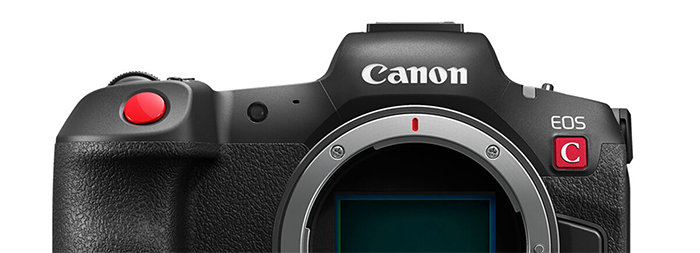
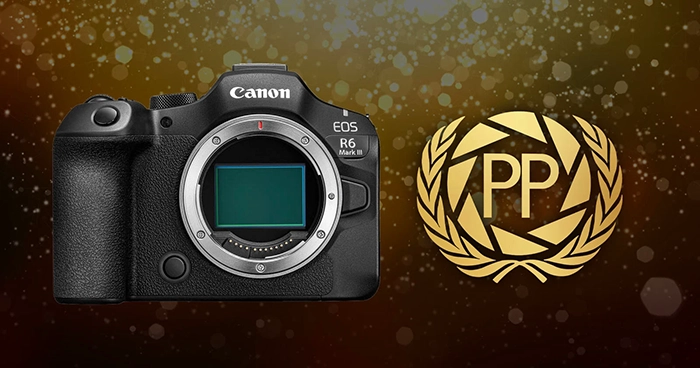
There are plenty of good reasons why the R6 II has been Canon’s best-selling EOS R-series camera since its launch, and for the same reasons and more, the R6 III merits similar commercial success. The R5 II, for its part, felt very similar when it arrived last summer. That camera felt like a huge, important step forward for Canon’s EOS R system as a whole. The R6 III, as good as it is, does not feel like that. It feels more like a 5D Mark III moment. Like that great DSLR, the R6 III is an excellent camera.